Hobnobbing With The Nabobs
|
and the Twelve Steps by A. Orange
Chapter 6:
Frank Buchman had a habit of seeking rich, famous, and powerful people for his converts and followers. Buchman called such people "big sinners", "keymen", and "up-and-outers" (as opposed to down-and-outers), men who could aid his cause by the influence of their names as well as by the contents of their wallets.6 Buchman's critics called his behavior "hobnobbing with the nabobs".92 Henry P. Van Dusen, of the Union Theological Seminary in New York, wrote, "All his life, Dr. Buchman has paid an uncritical, almost childish deference to people of birth or social position, especially royalty or titled nobility."3 Some people asked whether Frank Buchman was another Rasputin, trying to insinuate himself into the royal courts of Europe. The loyal Oxford Groupers defended Buchman's behavior, arguing that changing one "big sinner" would influence hundreds or thousands of little sinners. Again, Frank Buchman believed that society could be transformed from the top down — convert the leaders, and the followers would follow.
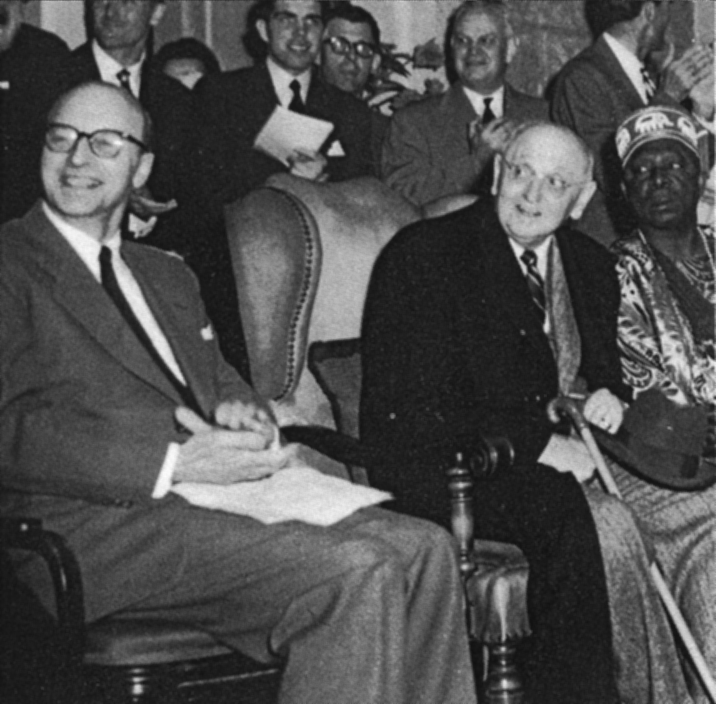
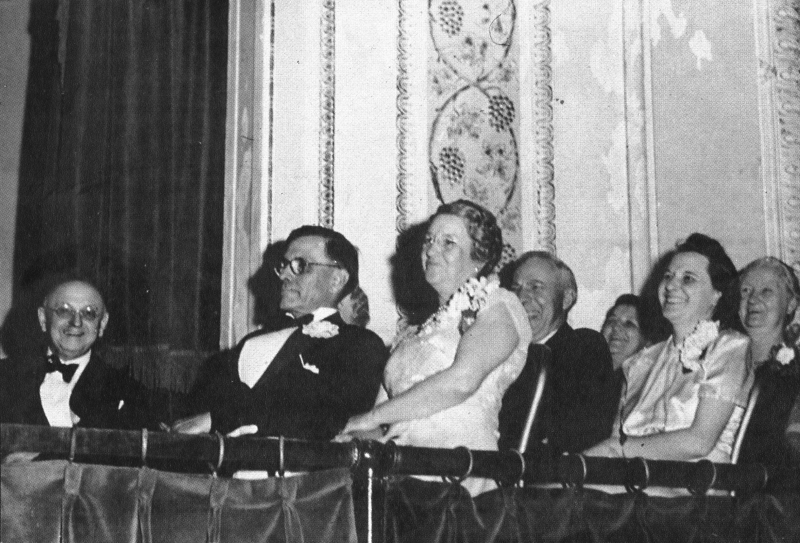
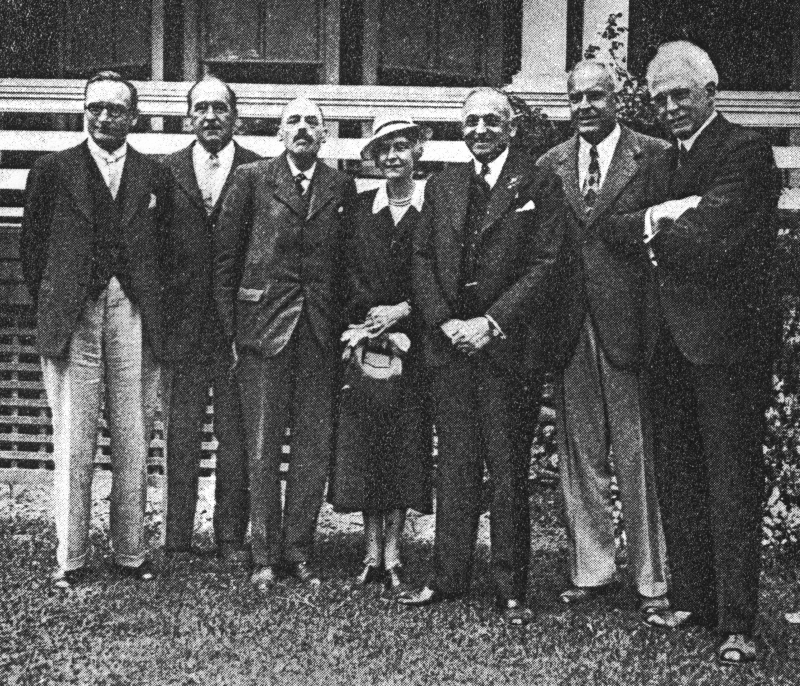
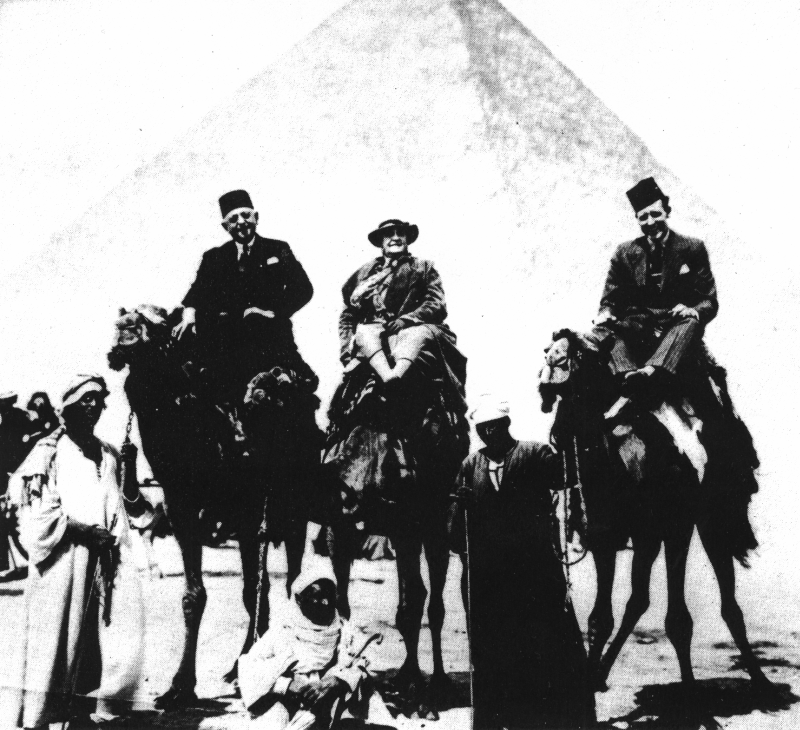
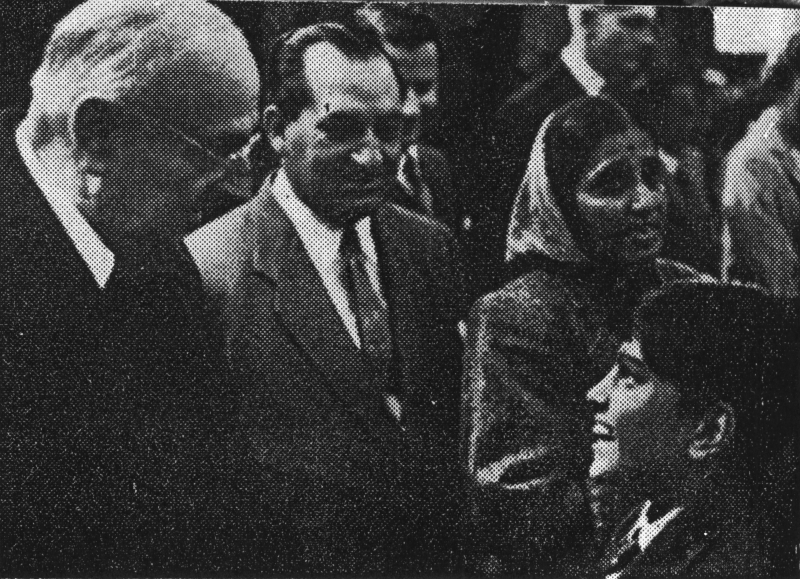
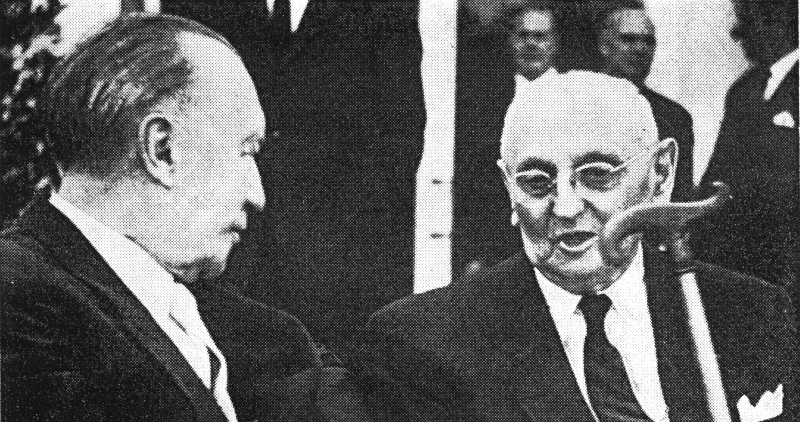
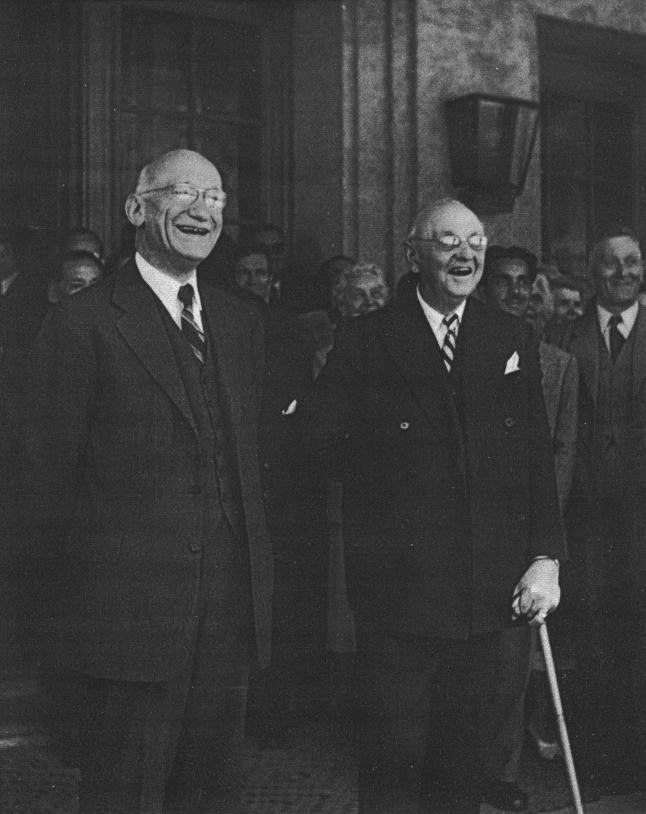
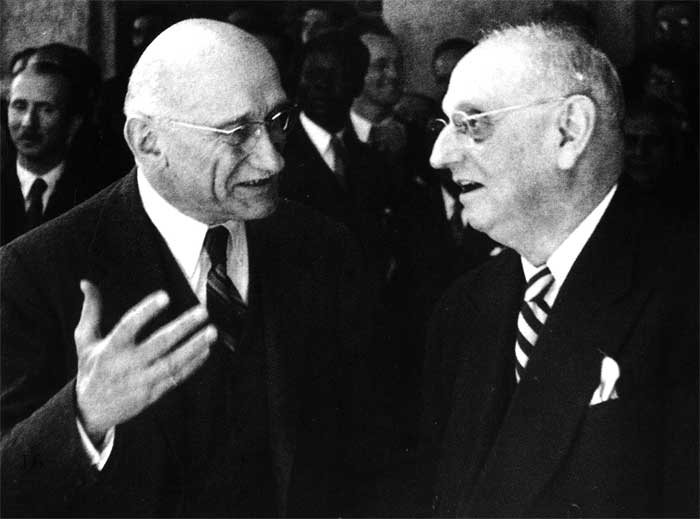
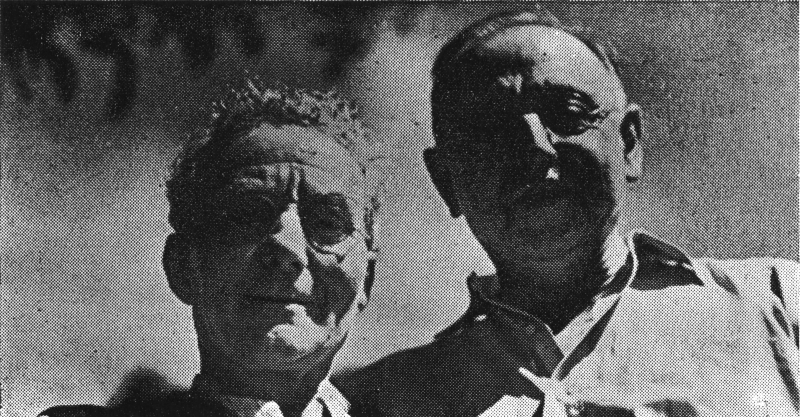
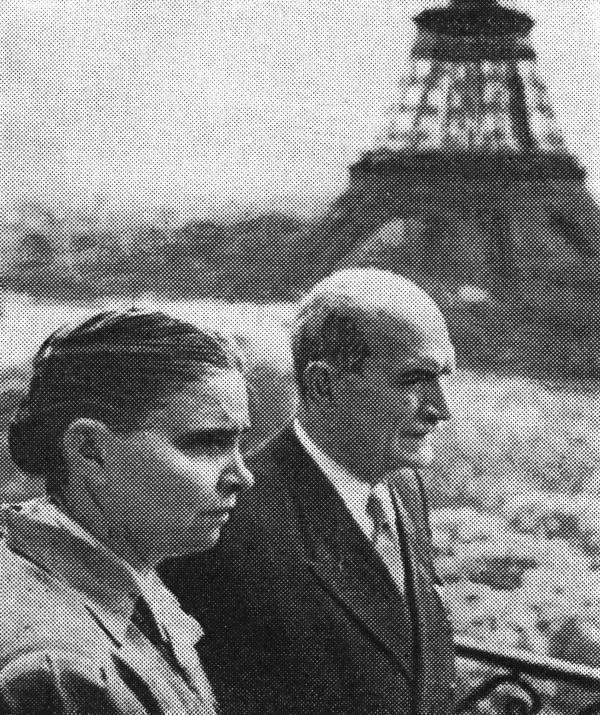
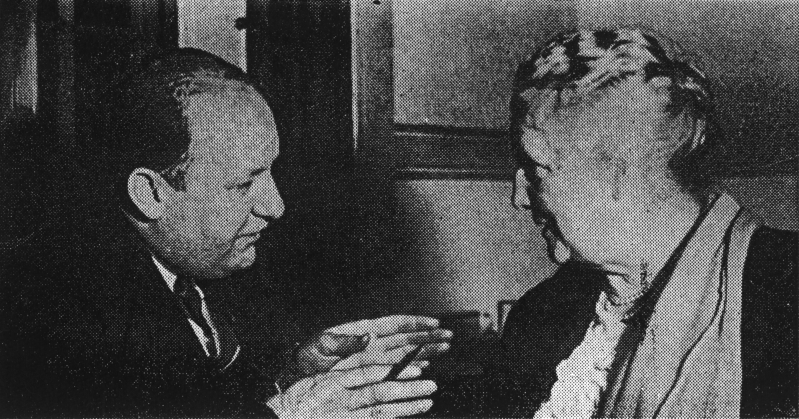
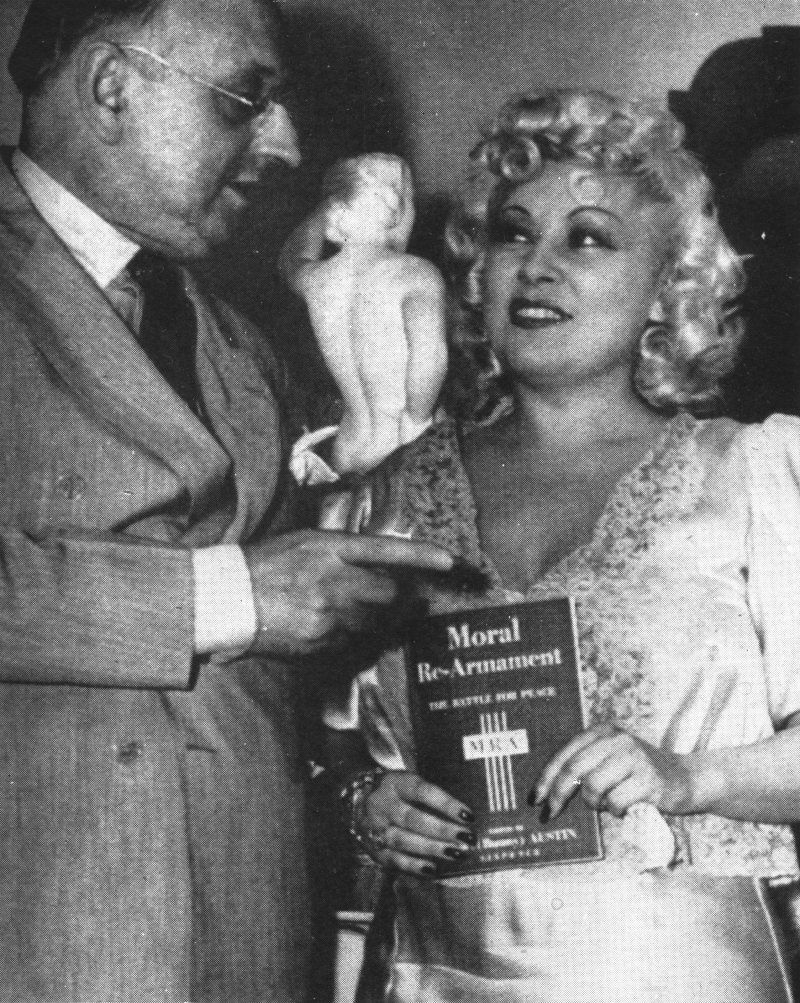
Notice how giddy Frank Buchman was in so many of these photographs. He was just deliriously happy much of the time, (or at least while posing for publicity photographs,) showing the pagans how much fun religion was — unless someone dared to displease him by disobeying his orders, or by criticizing him or his "movement", at which time Buchman would explode in a screaming rage.
A few paragraphs from Frank Buchman's biography are revealing. This happened very early in his career:
... in the manner of many young men who have newly left home, he was giving his parents a glimpse of his ambitions. They were grandiose in the style of an America saturated with the log-cabin-to-the-White-House philosophy of Horatio Alger, 200 million copies of whose books had been sold in the previous twenty-five years. 'A man in order to be great must do extraordinary things, not ordinary,' Buchman wrote to his parents. 'By the grace of God, I intend to make the name of Buchman shine forth. By earnest toil and labour I can accomplish it.' Dr Luther, he remarked, had not written hymns until he was forty; and his own ambition was to be a famous author and hymn-writer. 'Never before', he concluded, 'have I revealed my mind to you like this but often I have laid awake and thought of all these things.'1
Whenever Buchman got a rich and famous adherent, he would publicize and exploit that person's name for all it was worth, in order to attract more rich and famous people. In this way, Buchman habitually exaggerated the scope and importance of his movement.
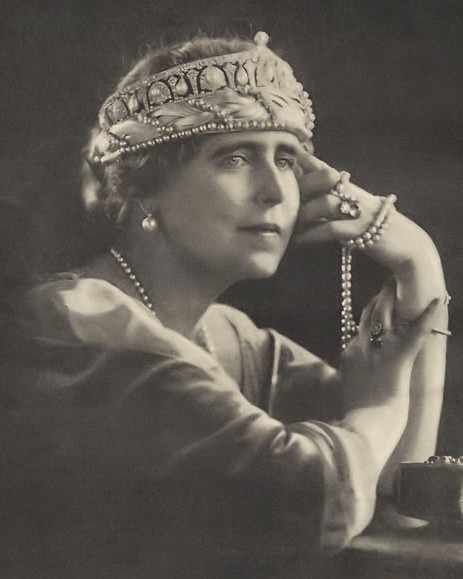
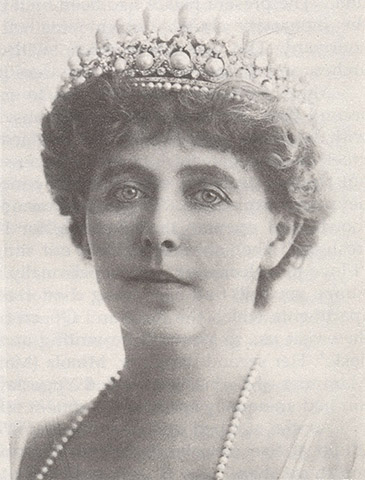
For a time, when in New York, he lived in considerable comfort in a house in West 53rd Street belonging to John D. Rockefeller, jnr (but leased to a Changed lady). Here, in 1926, he entertained Queen Marie of Romania to tea; he invited two hundred other guests, including eleven prominent citizens of Allentown [Frank Buchman's home town], to meet her. Though this function secured gratifying publicity, it does not seem to have been an unqualified success: the Queen had a cold and did not stay long, and when (presumably not within earshot of the two hundred other guests) she asked Buchman to read her sins in her face, he promptly replied 'Pride and self-satisfaction'. (This dashing remark offsets, rather endearingly, some of the perennial accusations of snobbery; or perhaps Buchman had ascertained, before tea, that his guest was not really a top queen.) (Remember that name 'Hanfstaengl'. It becomes important later.)
Concluding a six-week visit to the U. S. (TIME, May 2), Dr. Frank Nathan Daniel Buchman, "soul surgeon," set sail for England with 15 members of his "First Century Christian Fellowship." In Washington, said he, Herbert Hoover received his party. To one meeting went Supreme Court Justice Harlan Fiske Stone — Present at a meeting in Dearborn, Mich, were Mr. & Mrs. Henry Ford. Soul Surgeon Buchman said that his movement had also interested Mrs. Thomas Alva Edison and Harvey Firestone.
In the summer of 1936, the first national assembly of the Oxford Group Movement in Stockbridge, Massachusetts had in the guest registers names like Mrs. Henry Ford, Mrs. Harry Guggenheim, Emily Newell Blair, Cleveland Dodge, Baroness de Watteville Berckheim, Carl Vrooman, Sir Philip Dundas, Mrs. Henry Noble McCracken, and Lord Addington.26
In addition, Buchman boasted that his ideas were endorsed by Senator Harry S Truman, Harry H. Woodring, Henry Ford, Admiral Richard E. Byrd, Joe DiMaggio, and New York Mayor Fiorello La Guardia.27 One historian dryly commented that it was unclear whether the rich and famous also had to confess all of their sins to Frank Buchman. Perhaps they, being rich and famous, got a special dispensation.
In his analysis of Buchmanism for Atlantic Monthly magazine, Henry P. van Dusen wrote:
No feature of the Oxford Group Movement so strikes the casual observer or furnishes such innocent merriment to friendly critics as its studious attention to position, title, and social prestige. No meeting is properly launched without its quota of patrons of rank and social standing. No reference to the work is typical without its listing of the important personages who have lately given their allegiance to it (or have expressed some friendly interest in it) — generals and bishops and M.P.'s and counts and baronets; or, failing these, sons and daughters, nephews and nieces, cousins and aunts, or friends of generals, bishops, M.P.'s, counts, and baronets. It is probable that no socially exclusive church ever made such habitual and unblushing employment of the names of the great, the near-great, the would-be-great, or the thought-to-be-great as the Oxford Group Movement.
And then Buchman also showed off some more people who weren't quite committed converts, but who had somehow, at some time or other, expressed some sympathy for Frank's movement:
Frank Buchman also had a habit of collecting endorsements. Whenever anybody said something nice about Frank or his Group, his followers reprinted it and broadcast it far and wide, often exaggerating it in the process, to make "the movement" look better. When the London newspaper reporter A. J. Russell wrote a flattering article about Frank Buchman and his Oxford Group "house parties", Buchman mailed copies of it to nearly 10,000 people.129 Frank Buchman and his followers even collected endorsements from people who had not praised Buchman or his Groups — like when, in 1938, Cardinal Hinsley, the leader of all of the English Roman Catholics, discovered that Frank Buchman's organization was making propaganda use of a letter of praise of Buchmanism that was allegedly written by Cardinal Hinsley, but which Cardinal Hinsley could not remember having written.130
Likewise, in one of his radio speeches before World War II, Frank Buchman declared:
MRA is the great central revolutionary force. I was personally at war. An experience of the Cross made me a new type of revolutionary.
Um, just which war was that, Frank? And remember that another Buchmanite wrote:
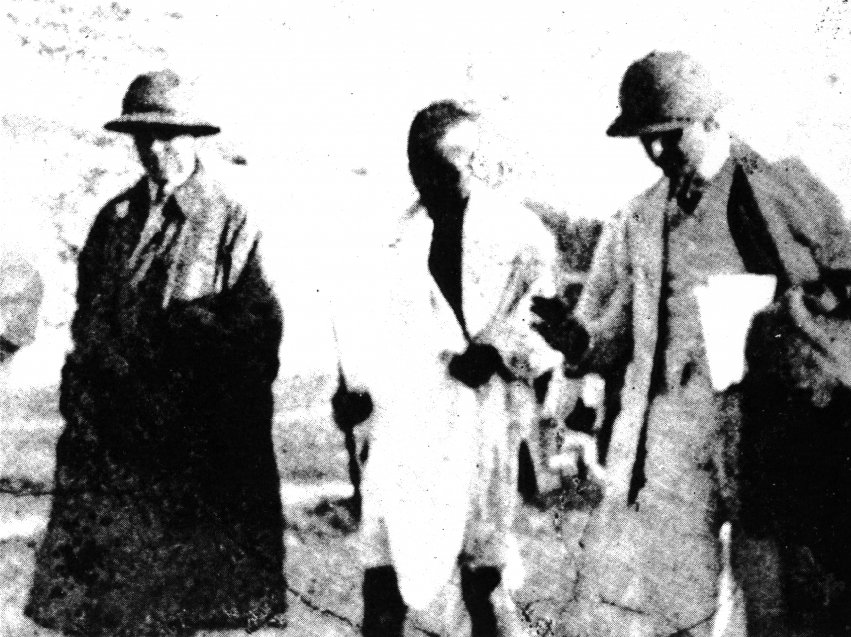
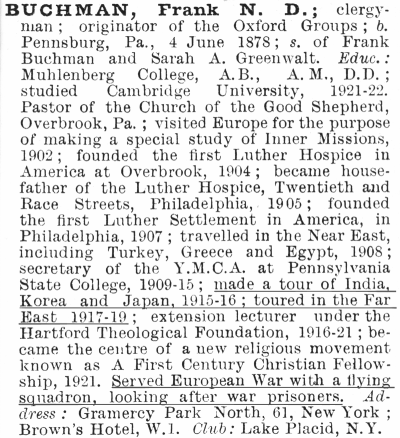
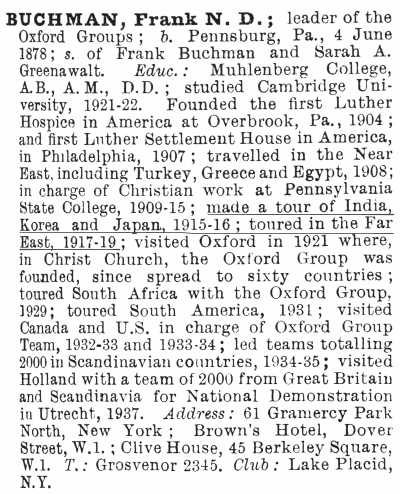
During the First World War he [Frank Buchman] got to know Sun-Yat-Sen, a great man whose name is today respected both in Communist and Nationalist China. Frank said to him: "The greatest evils in China are squeeze, concubinage and gambling. You must build your new nation on firm moral foundations." Sun-Yat-Sen said of this conversation: "Buchman told me the truth about my country and myself." So Frank Buchman was in China, allegedly teaching morality to Sun-Yat-Sen, at a time when he said he was serving in the European War? They couldn't even keep their stories straight.
In one year he might be the host or guest of millionaires and royal personages, and able to use their names or their money to advance his cause — and then, in the same year, might come a sharp setback or humiliating snub, such as that delivered in July, 1937, at a Foyle literary luncheon in London, by Miss Margaret Rawlings, the actress. She had been invited as the 'guest of honour' without realising that the luncheon was in honour, too, of Buchman; and, despite intense advance counter-pressure and the numbing impact of a floodlit para-military parade of young Groupers, carrying banners, singing choruses and shouting slogans, she had the courage to say, in front of 2,000 other guests — many of them Buchmanites — that, to her, 'this public exposure of the soul, this psychic exhibitionism, with its natural accompaniment of sensual satisfaction', was 'as shocking, indecent and indelicate as it would be if a man took all his clothes off in Piccadilly Circus'. (Many years later, Margaret Rawlings played "Countess Vereberg" in the movie Roman Holiday, where a cute unknown starlet named Audrey Hepburn suddenly became a very famous Academy Award winner.) And the wiley old politician President Franklin D. Roosevelt was far too smart to get sucked into being used as a publicity tool by Dr. Frank Buchman. Buchman and his followers were forever chasing after President Roosevelt, trying to get endorsements or receptions or speeches from him, but Roosevelt always kept his distance.18 The Buchmanites even succeeded in talking a certain Senator Harry S Truman into asking President Roosevelt to take part in a Buchmanite "world radio" broadcast in December, 1939. Roosevelt politely replied to Truman that he felt that it was not the time to be pushing Buchman's plan for world peace.19 (Indeed. Buchman's plan would have left Hitler the overlord of most of central Europe, including Germany, the Rhineland, Austria, Czechoslovakia, and half of Poland.) President Roosevelt did send one public relations message to one of Buchman's Moral Re-Armament get-togethers, and the Buchmanites distorted its meaning and claimed that Roosevelt had endorsed Buchman's organization:
The second headline and the first sentence of the article were incorrect. President Roosevelt did not call for "worldwide support of the movement." In a neutral, carefully-worded piece of public relations fluff, President Roosevelt merely endorsed the general idea of "moral re-armament" (lower case), not Frank Buchman's organization "Moral Re-Armament" or "the movement". Roosevelt's choice of those words was very careful and very deliberate. He wished to endorse morality in general without endorsing Frank Buchman's Moral Re-Armament in particular. Roosevelt re-wrote that message several times, carefully choosing every word, seeking just the right neutral tone. Nevertheless, the Buchmanites immediately claimed that President Roosevelt was also one of their supporters.
As Henry P. van Dusen reported:
In brief, a good word for the work, in the face of cruel slander, is represented as convinced support. Attendance at a meeting as a curious inquirer may forthwith be widely circulated so as to convey the impression of full membership. The vaguest expression of sympathy is quoted as though it were a declaration of complete approval. And Tom Driberg reported:
...Cardinal Cushing, of Boston, 'befriended' (it is his word) an MRA team that he met in South America — probably in Brazil, where MRA has been active for some years, with the aid of local ex-Communists. He was to regret his friendliness. Too much was made of it in MRA propaganda, and he was even quoted as saying that he would welcome the setting-up of MRA centres in his own archdiocese. 'That's silly', he said, repudiating the report and reiterating the official Roman Catholic warning against MRA.

Previous: Campus Crusade and 1920's
Last updated 10 November 2014. | ||||||||||||||||||||||||||||||||||||




Copyright © 2016, A. Orange